

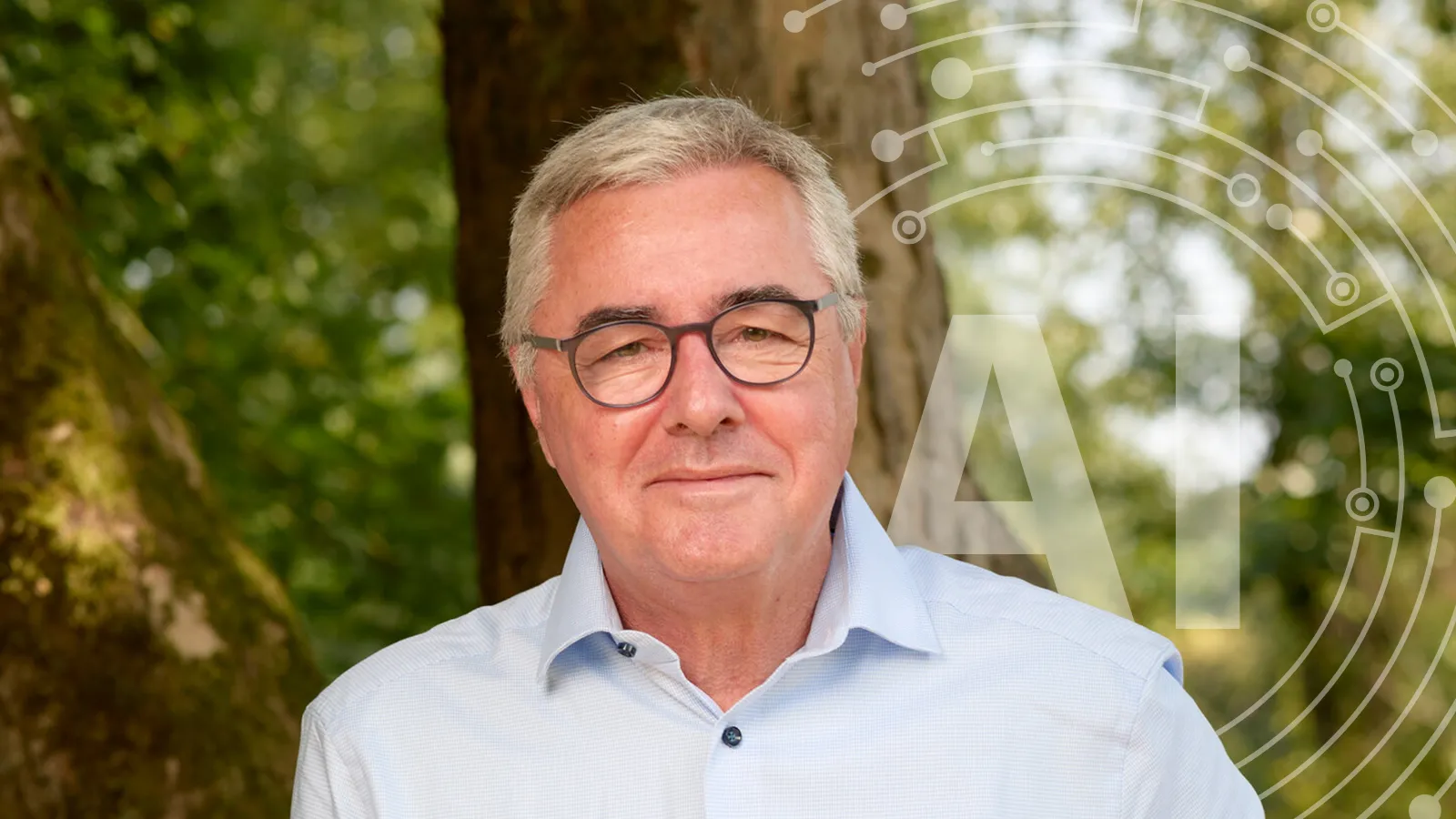
Process documentation using AI: How Günter Heenen saves a lot of time with AI features
Artificial intelligence – AI for short – is everywhere. Yet most people do not know exactly what these new technologies entail or what impact they have. Tax adviser Günter Heenen from the NeD Tax Germany Law Firm, when he heard about the AI assistant in Opti.Tax. In the following article, you’ll find out why this experienced professional decided to give the AI features a go anyway.
In an interview with hsp’s Head of Communications, Maori Kunigo, tax adviser Günter Heenen offered an insight into his day-to-day work. Read how this long-standing Opti.Tax user overcame his initial scepticism, what advantages and challenges Günter sees, and what advice he offers to colleagues who are hesitant about using AI in tax consultancy.

Who is Günter Heenen, and what was the interview about?
Günter Heenen is a tax adviser, a specialist in international tax law, and the owner and managing director of the firm NeD Tax Deutschland in Kleve (North Rhine-Westphalia). The firm specialises in supporting and advising Dutch companies in Germany. As part of this, Heenen and his colleagues have been working on the topic of procedural documentation. When selecting software, he opted for Opti.Tax from hsp.
For several years now, the expert has been using Opti.Tax successfully for process documentation. Günter Heenen describes Opti.Tax as a highly dynamic product that responds quickly to market demands, for example with new tools such as the Quick Check E-Invoice.
When Günter Heenen first heard about AI integration, he was sceptical. This was because he had previously had absolutely no experience of artificial intelligence in any other context. He got off to a good start with the support of hsp’s managing director, Paul Liese, who helped with the installation and set-up. The AI assistant particularly impressed the expert when it came to drafting texts for procedural documentation.
Günter Heenen was so impressed by the benefits of the assistant that he went on to try out other AI services as well. He soon realised that, when reputable services are used conscientiously, artificial intelligence and machine learning (ML for short) bring many benefits to various areas of life.
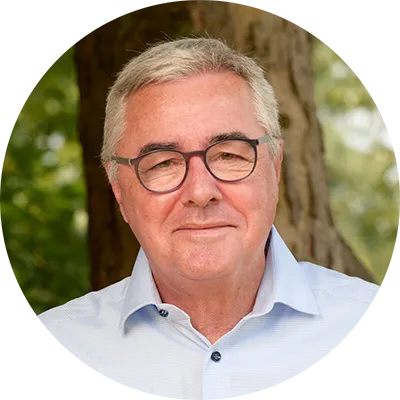
Günter Heenen is enthusiastic about the wide range of possibilities offered by AI services. However, he also emphasises that AI is not a magic wand. Anyone who wants to use artificial intelligence and generate real added value for themselves must, without fail, familiarise themselves with the concept of prompting. A „prompt“ is a command entered in text or speech form, which users employ to tell the AI what the technology should do.
The results produced are generally initial suggestions that need to be reviewed and, where necessary, adjusted. It remains essential to critically scrutinise AI-generated outputs, as well as to optimise one’s own prompts in order to achieve more accurate results. Accordingly, AI services are not designed to replace specialists. Rather, they assist people by taking on tedious tasks, thereby freeing up capacity for more important activities.












 German
  English